

Why Understanding the Law Matters
For collectors across the UK, deactivated firearms offer a fascinating glimpse into history. Whether it’s a classic Webley revolver or a Cold War-era AK-47, each weapon tells a story. But alongside the thrill of collecting comes a responsibility — understanding and following the UK laws on deactivated guns.
The legislation surrounding deactivated firearms has evolved significantly in recent years, and failing to comply (even unknowingly) can lead to serious legal consequences. This guide breaks down the essentials — from certification to transfers — so you can collect confidently and legally.
What Exactly Is a Deactivated Firearm?
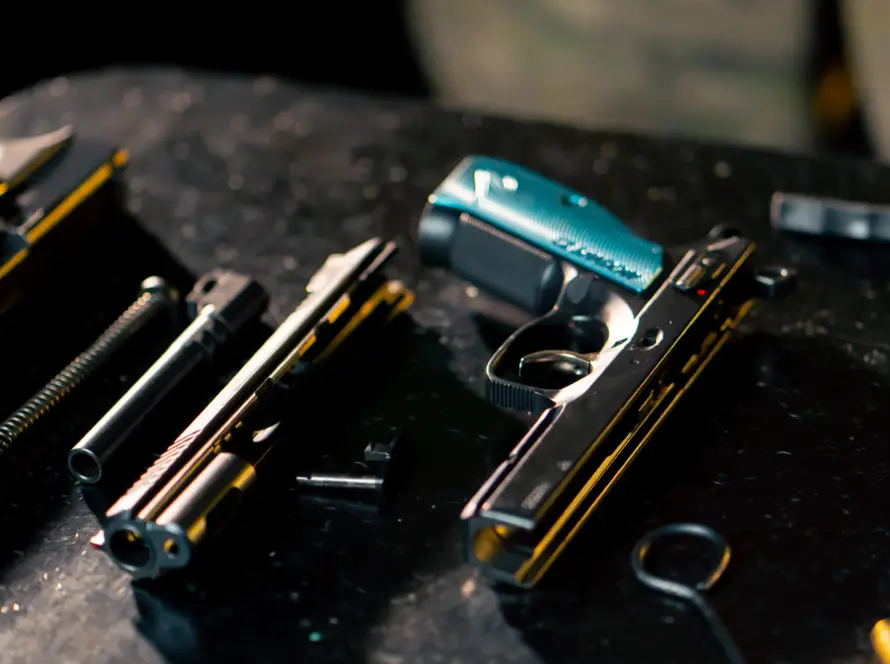
A deactivated firearm is a real gun that has been permanently modified so it can no longer discharge ammunition. The barrel, firing pin, and other key components are altered or welded, ensuring the weapon is completely inoperable.
Once this process is complete, the firearm must be inspected and approved by an official Proof House — either in London or Birmingham. Only then is it issued with a Deactivation Certificate, which serves as official proof that it complies with UK deactivation standards.
If a gun hasn’t gone through this process, it’s not legally classed as deactivated — no matter how “disabled” it appears to be.
A Brief History of UK Deactivation Standards
The UK has long been recognised for having some of the strictest firearms regulations in the world, and the same applies to deactivated weapons.
Pre-1995: Early deactivations were often performed by gunsmiths with minimal oversight. Standards varied widely, and some deactivated firearms could technically be reactivated.
1995 Standard: The Home Office introduced stricter technical requirements and certification through official Proof Houses.
2016 Update: Following EU legislation changes, the UK adopted tougher standards to ensure all deactivated firearms were permanently incapable of firing. This included modifications to the chamber, bolt, and barrel, and clear proof markings on the gun itself.
Post-2018: The UK government continued enforcing these rules, requiring all deactivated guns sold or transferred to meet the latest standard — even if they were previously deactivated under older guidelines.
This means that if you own or plan to sell a deactivated firearm that was deactivated before 2016, it may need to be re-certified before it can be legally transferred or sold.
The Deactivation Certificate — Your Proof of Legality
Every legitimate deactivated firearm in the UK must come with a Deactivation Certificate issued by a Proof House. This certificate is your evidence that the gun has been rendered permanently inoperable according to current legal standards.
It includes:
The description of the firearm (make, model, calibre, and serial number).
The date of deactivation.
The Proof House stamp and signature.
The unique certificate number, which should correspond to markings on the firearm.
If you’re buying a deactivated gun, never do so without the certificate. A firearm without it is not legally recognised as deactivated — even if it looks the part.
Transferring or Selling Deactivated Firearms
The law allows collectors to buy, sell, and own deactivated firearms without a firearms licence — but only under strict conditions.
When transferring or selling one, the key requirement is that both the firearm and its certificate are passed together. The new owner must receive the original certificate, not a copy.
It’s also recommended to keep a written record of the transaction, including both parties’ details and the certificate number, for your own protection.
If the firearm was deactivated under an older standard (for example, pre-2016), it must be re-proofed to current specifications before being legally sold or gifted.
At Lock Stock Deacts, every firearm we sell is already certified under the latest UK standard — so you can buy with complete confidence.
Understanding What’s Legal to Own
Under UK law, deactivated firearms are treated as collectable items rather than functioning weapons. However, there are still strict rules regarding:
Reactivation: It is illegal to attempt to restore a deactivated firearm to working order. Doing so would be classed as manufacturing a live firearm, a serious criminal offence.
Modification: You must not make alterations that could interfere with the deactivation process or change the firearm’s structural integrity.
Use in Public: Displaying deactivated guns in public without good reason (for example, as a film prop or museum exhibit) could cause alarm and result in police intervention. Always transport or display them responsibly.
In short: treat your deactivated weapons as you would any valuable collectable — with care, documentation, and full respect for the law.
Common Misconceptions About Deactivated Firearms
There are a few myths that often confuse new collectors. Let’s clear them up:
“If it can’t fire, it’s automatically legal.”
False. A gun must meet Home Office deactivation standards and have a valid certificate.“Old deactivated guns are exempt.”
False. If you plan to sell or gift it, it must meet the current standard.“You can modify a deactivated gun for realism.”
False. Even cosmetic changes may affect its compliance or invalidate the certificate.
Understanding these nuances ensures your collection remains compliant — and avoids unnecessary legal issues.
How to Stay Compliant as a Collector
To ensure your collection remains fully legal and above board:
Always buy from trusted sellers who provide the correct paperwork.
Check the certificate carefully and make sure it matches the firearm’s details.
Avoid modifying or repairing a deactivated gun unless it’s purely cosmetic and doesn’t affect proofed areas.
Keep certificates safe, ideally in both physical and digital formats.
Stay informed — UK firearms laws can change, so it’s worth checking updates from the Home Office or the Proof Houses periodically.
At Lock Stock Deacts, we handle all of this for you. Every firearm is carefully checked, certified, and clearly documented before it’s listed for sale, so you can focus on collecting, not compliance.
Where to Buy Legal Deactivated Firearms in the UK
If you’re looking to start or expand your collection, the safest approach is to buy from a reputable, fully compliant dealer.
Lock Stock Deacts is trusted by collectors nationwide for offering certified deactivated firearms that meet all current Home Office and Proof House regulations. Our listings include everything from classic service rifles to rare pistols, each complete with full certification and provenance.
Whether you’re a first-time buyer or a seasoned collector, our team is always happy to advise on UK deactivated firearms laws, paperwork requirements, and what to look for when purchasing your next piece.
Final Thoughts
The world of deactivated firearms is steeped in history, but it’s also governed by some of the strictest laws in Europe. Understanding those laws isn’t just about compliance — it’s about ensuring that your collection remains safe, legitimate, and enjoyable for years to come.
By choosing certified, proofed, and fully documented pieces from a trusted dealer like Lock Stock Deacts, you can collect with complete confidence, knowing your firearms meet every legal requirement.
For anyone passionate about military history or firearm craftsmanship, deactivated guns offer a unique and accessible way to own a piece of the past — responsibly and legally.